
 Natisha Rouse
 What You Need to Know About Lab Diamonds
Lab diamonds have moved into the spotlight because many buyers want clarity in what they purchase. You want to know how a diamond is made, how it performs and whether it matches your lifestyle. You also want to understand the value behind your choice. Lab diamonds meet these needs through transparency and consistency.
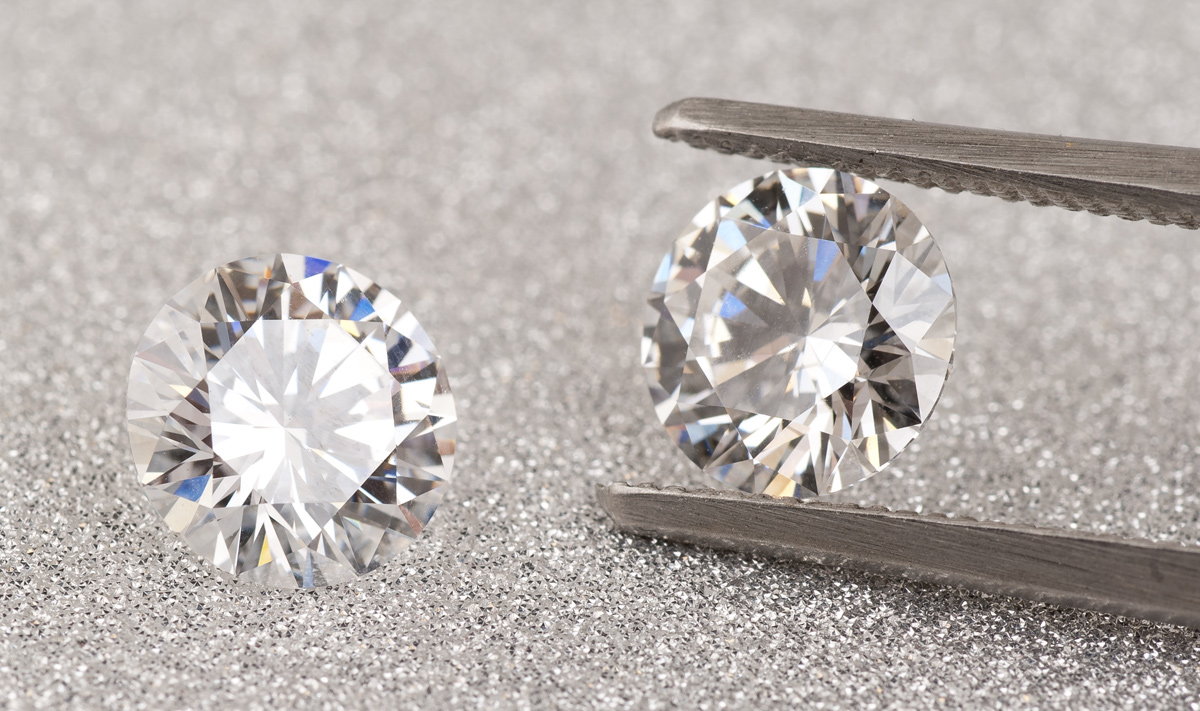
A lab diamond is a real diamond grown through controlled processes. It has the same crystal structure as mined diamonds. It reacts to light in the same way. It cuts and polishes in the same way. The difference sits in the origin. A lab diamond begins in a chamber instead of underground rock.
How Lab Diamonds Are Made
Diamond growth uses two primary methods. You do not need technical depth to judge quality but you should know what each method means for you.
- HPHT grows a diamond through intense heat and pressure.
- CVD grows a diamond in a chamber where carbon builds layer by layer.
Both produce strong stones. Both pass industry grading. You will not notice growth differences when looking at a finished stone with the naked eye.
A simple example
If you place an HPHT and a CVD stone of the same grade side by side you will not be able to tell which is which without equipment.
How to Judge Quality With Confidence
Many buyers fear missing something when choosing a diamond. You solve this by focusing on a few measurable factors. These are the same standards used for mined stones.
Cut
Cut has the strongest influence on brightness. A well cut stone returns light to the eye with sharp contrast. A weak cut leaks light and looks flat. When unsure choose the best cut grade you can within your budget.
Color
Color measures warmth. Most buyers prefer near colorless ranges because they look clean in daily wear. You do not need a perfect color grade for beauty. Aim for a balanced point where the stone looks white to you.
Clarity
Clarity measures internal features. Many lab diamonds have fewer visible inclusions due to controlled growth. You should look for stones where inclusions are not visible without magnification.
Carat
Carat reflects size. Prices rise as carat increases. Decide what size matches your taste and hand proportion. A smaller well cut stone often looks stronger than a larger poorly cut one.
Why People Choose Lab Diamonds
You may wonder if a lab diamond fits your needs. Buyers often fall into a few groups. Understanding them can help you decide.
- You want clear information about origin.
- You want predictable pricing.
- You want modern production without geological limits.
Lab production allows consistent grading and sizing. This often means you can focus more on design rather than tracking rare stock.
A short example
If you want a 1.2 carat stone with a specific color and clarity, a lab option can give you exact matches across several stones. You get choice without compromise.
How Lab Diamonds Perform Over Time
A common question is whether a lab stone holds up in daily wear. The answer is yes. It has the same hardness as a mined diamond. It resists scratching. It keeps its polish. This makes it suitable for engagement rings and pieces worn each day.
You should still treat it with care just like any fine jewelry. Store it apart from other stones. Clean it with mild solutions. Check your setting every so often. Good maintenance keeps any diamond secure.
How to Compare Lab Diamonds When Shopping
Shopping can feel complex because you see many grades and charts. Simplify your approach by comparing actual stones rather than relying only on numbers. Look at videos and images under consistent lighting. Match what you see with the grading report.
Focus on these steps.
- Decide your top priority such as size or cut.
- Set a range for color and clarity that looks clean to you.
- Compare stones within that range under the same light.
- Choose the one that looks strongest to your eyes.
A practical example
If you want a bright stone, place two options beside each other on a white background. Tilt them lightly. Choose the one that flashes cleaner patterns.
Settings That Work Well With Lab Diamonds
Your setting affects how the stone behaves in light. You can enhance brightness, shape or presence through smart choices.
Solitaire
A clean solitaire focuses attention on the stone. If cut quality is strong this setting shows every detail.
Halo
A halo increases presence by surrounding the center with small stones. This can make a moderate size stone look larger.
Three Stone
A three stone ring gives symmetry and balance. It works well when you want a mix of sparkle and structure.
How the Market for Lab Diamonds Is Changing
More buyers now aim for clarity and predictability. This shift pushes designers and retailers to offer broader ranges of lab stones. Supply chains continue to refine growth processes which leads to better consistency in color and clarity.
You also see more design freedom. Since size and shape availability is not tied to geological extraction designers can build collections with uncommon proportions and unique silhouettes.
How to Know If Lab Diamonds Fit Your Values
People often choose a stone that reflects their personal priorities. These could be budget, transparency, or design freedom. Lab diamonds give you a direct path to those goals. You get control over specifications and you know how the stone came to be.
If you want to match beauty, structure and predictable pricing you will find that lab diamonds meet all three. If you want to explore shapes that are harder to source in mined form, lab stones offer many options.
Practical Tips Before You Buy
- View the grading report from a recognized lab.
- Check images and videos under neutral lighting.
- Inspect cut quality before all other features.
- Review return policies in case the stone looks different in person.
Use these steps whether you shop online or in person. They help you decide with clarity.
Where the Keyword Fits Into User Intent
Searches for best lab grown diamonds MY reflect local intent. You want trusted sellers, consistent grading and guidance tailored to Malaysia. You want clarity in price and quality. You want to understand the value difference. The core problem you are solving is uncertainty. You want to make a confident choice without guesswork.
Lab Diamonds in Daily Wear
You can use a lab diamond in any type of jewelry. Rings, pendants and earrings all perform well. The stone will hold its structure with normal wear. Clean it with warm water and mild soap. Dry it with a lint free cloth.
An example
If your ring looks dull after a week of wear you can bring back brightness with a simple soak and rinse.
FAQ
Are lab diamonds real?
Yes. They have the same composition and physical traits as mined diamonds.
Can you tell the difference between lab and mined?
Not by eye. Only advanced tools can identify growth origin.
Do lab diamonds last as long as mined stones?
Yes. They have the same hardness and durability.