
 Priscilla Lloyd
 Why More Buyers Compare Moissanite and Lab Diamonds
Jewelry buyers are paying closer attention to value. Many want a stone that looks bright and lasts for years without paying the price of a mined diamond. This is where the comparison between a moissanite diamond and a lab diamond becomes important. At first glance both stones can look similar. They are clear bright and often placed in the same ring styles. But they are not the same material. They perform differently in light. They wear differently over time. They also fit different budgets and expectations. If you are shopping for an engagement ring earrings or a daily wear piece you need to understand what you are actually buying. The goal is not just to save money. The goal is to choose a stone that matches your priorities.
What Lab Diamonds Really Are
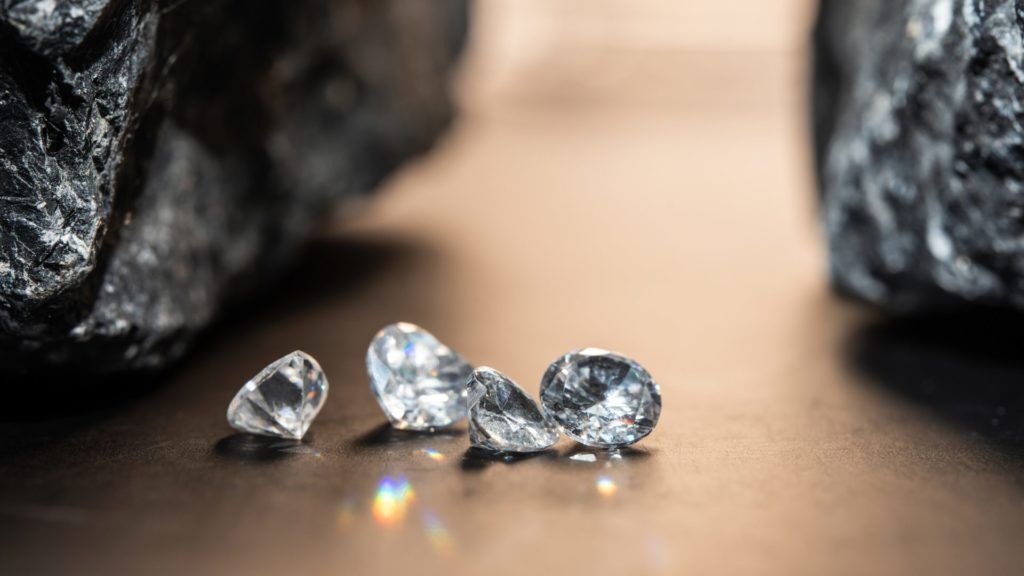
Lab diamonds are real diamonds. They have the same chemical structure as mined diamonds. The only difference is where they come from. A mined diamond forms underground over billions of years. A lab diamond forms in a controlled environment using advanced technology. Once created the stone has the same hardness brilliance and durability as a natural diamond. Most buyers cannot tell the difference without professional equipment. This matters because many people assume lab diamonds are fake. They are not imitation stones. They are actual diamonds with the same physical properties.
How Moissanite Is Different
Moissanite is its own gemstone. It is not a diamond. It has a different structure and different optical behavior. The biggest visual difference appears in the sparkle. A moissanite diamond style stone creates more rainbow flashes under light. Some people enjoy this effect because it looks lively and bright. Others prefer the cleaner white sparkle of a diamond. Moissanite is also slightly softer than diamond though still strong enough for daily jewelry. Here is where buyers often get confused. A stone can look similar from a distance but still behave differently in real life.
The Difference You Notice in Daily Wear
A diamond reflects light in a balanced way. It gives off white sparkle with controlled flashes. This creates the classic diamond appearance most people recognize. Moissanite tends to reflect more colorful light. Under store lighting or sunlight it may appear more fiery. Some buyers love this. Others feel it looks less natural. The setting also changes the appearance. Example: A round stone in a yellow gold ring may hide visual differences more easily. A large stone in white gold or platinum may reveal more contrast between the two materials. Stone size matters too. The larger the gem the easier it becomes to notice sparkle differences.
Durability and Hardness
Diamonds are the hardest known gemstone used in jewelry. Lab diamonds rank 10 on the Mohs hardness scale. Moissanite ranks around 9.25. That sounds close because it is close. Both are durable enough for everyday wear including engagement rings. Still a diamond resists scratches slightly better over decades of use. For most buyers this difference is not a deal breaker. Both stones hold up well if properly cared for.
Price Differences Matter
Price is often the reason people compare these stones in the first place. Moissanite usually costs much less than lab diamonds of similar size. This allows buyers to purchase a larger stone without stretching their budget. Lab diamonds cost more because they are actual diamonds. Yet they still cost less than mined diamonds in many cases. General pricing patterns look like this:
- Moissanite is usually the lowest cost option
- Lab diamonds sit in the middle range
- Mined diamonds remain the most expensive
This pricing gap changes buying behavior. Some buyers choose moissanite for fashion jewelry or travel rings. Others choose lab diamonds because they want the experience of owning a real diamond without paying mined diamond prices.
Resale and Long Term Value
Jewelry is rarely a strong investment. Still resale matters to some buyers. Lab diamonds currently hold more resale recognition than moissanite because they are actual diamonds. However resale prices are often lower than retail purchase prices. Moissanite has a smaller resale market. Most buyers purchase it for personal use rather than future resale. If long term value matters to you focus more on personal satisfaction than expected profit.
Certification and Grading
Lab diamonds are commonly graded by recognized gemological labs. You may see reports from:
- IGI
- GIA
- GCAL
These reports evaluate cut clarity color and carat weight. Moissanite grading is less standardized. Many sellers create their own quality descriptions. This means buyers need to pay closer attention to retailer reputation and return policies. Always ask for detailed product information before buying.
Best Uses for Each Stone
There is no universal winner. The right choice depends on what matters most to you. Lab diamonds work well for buyers who want:
- A real diamond structure
- Traditional diamond appearance
- Strong long term durability
- Certified grading reports
Moissanite works well for buyers who want:
- Lower overall cost
- Larger appearance for the money
- Extra sparkle and fire
- Fashion focused jewelry
Your lifestyle also matters. Someone who wants a classic engagement ring may prefer a lab diamond. Someone buying multiple jewelry pieces for variety may lean toward moissanite.
Common Buying Mistakes
Many shoppers rush into a purchase after seeing attractive product photos online. That creates disappointment later. Watch for these common mistakes:
- Buying based only on carat size
- Ignoring cut quality
- Assuming all sparkle looks the same
- Skipping certification details
- Choosing the cheapest seller without checking reviews
Cut quality affects appearance more than most buyers realize. A well cut smaller stone often looks better than a poorly cut larger one.
How Lighting Changes Appearance
Store lighting is designed to maximize sparkle. Real world lighting tells a different story. Under soft indoor light lab diamonds often appear more balanced and subtle. Moissanite may show stronger rainbow flashes especially in direct sunlight or LED lighting. This does not mean one is better. It simply means they react differently. If possible view stones under multiple lighting conditions before deciding.
Ring Settings and Metal Choices
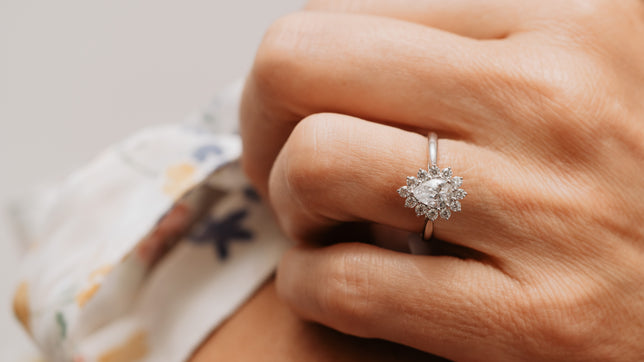
The ring design changes how the center stone looks. White metals such as platinum and white gold highlight brightness and clarity. Yellow gold creates warmth and can soften visual differences between stones. Popular settings include:
- Solitaire rings for a clean classic look
- Halo settings for extra sparkle
- Three stone designs for added balance
- Hidden halo settings for subtle detail
A simple setting often places more attention on the stone itself.
Should You Choose Lab Diamonds or Moissanite?
The answer depends on your priorities not trends. If you want the physical properties of a real diamond with lower cost than mined stones lab diamonds make sense. If your focus is maximizing size and sparkle while spending less money moissanite may fit better. Neither choice is automatically right or wrong. The better question is this: What matters more to you during daily wear? For some buyers the answer is authenticity. For others it is budget flexibility. For others it is visual style. Once you understand your own priorities the decision becomes easier.
Frequently Asked Questions
Can people tell the difference between moissanite and lab diamonds?
Most people cannot tell the difference during casual viewing. Jewelers and trained professionals can usually identify them more easily under proper lighting and magnification.
Do lab diamonds last as long as mined diamonds?
Yes. Lab diamonds have the same hardness and durability as mined diamonds because they share the same chemical structure.
Is moissanite good for engagement rings?
Yes. Moissanite is durable enough for everyday wear and remains a popular choice for engagement rings because of its lower cost and strong sparkle.