
 Natisha Rouse
 Smarter Jewelry Choices Through Clearer Info
Most folks eyeing an engagement ring or high-end piece quickly learn something. It isn’t just about the gem sitting front and center. What holds it – metal type – influences cost, how it feels on skin, wear over years, even upkeep routines. This sparks searches such as lab diamond rings platinum versus gold. People crave straightforward facts when cash is on the line. At its core, what they really seek boils down to clarity. Looking good matters. So does lasting long. Staying within reach counts too. A ring should feel right, not just look it. What about lab grown gems. Are they better than earth pulled ones. Answers wait here. Clear ones. Not fluffy lab diamond rings platinum vs gold promises. Nothing stretched thin. Only what shifts the choice. Real talk between choices.
Man Made Diamonds Explained
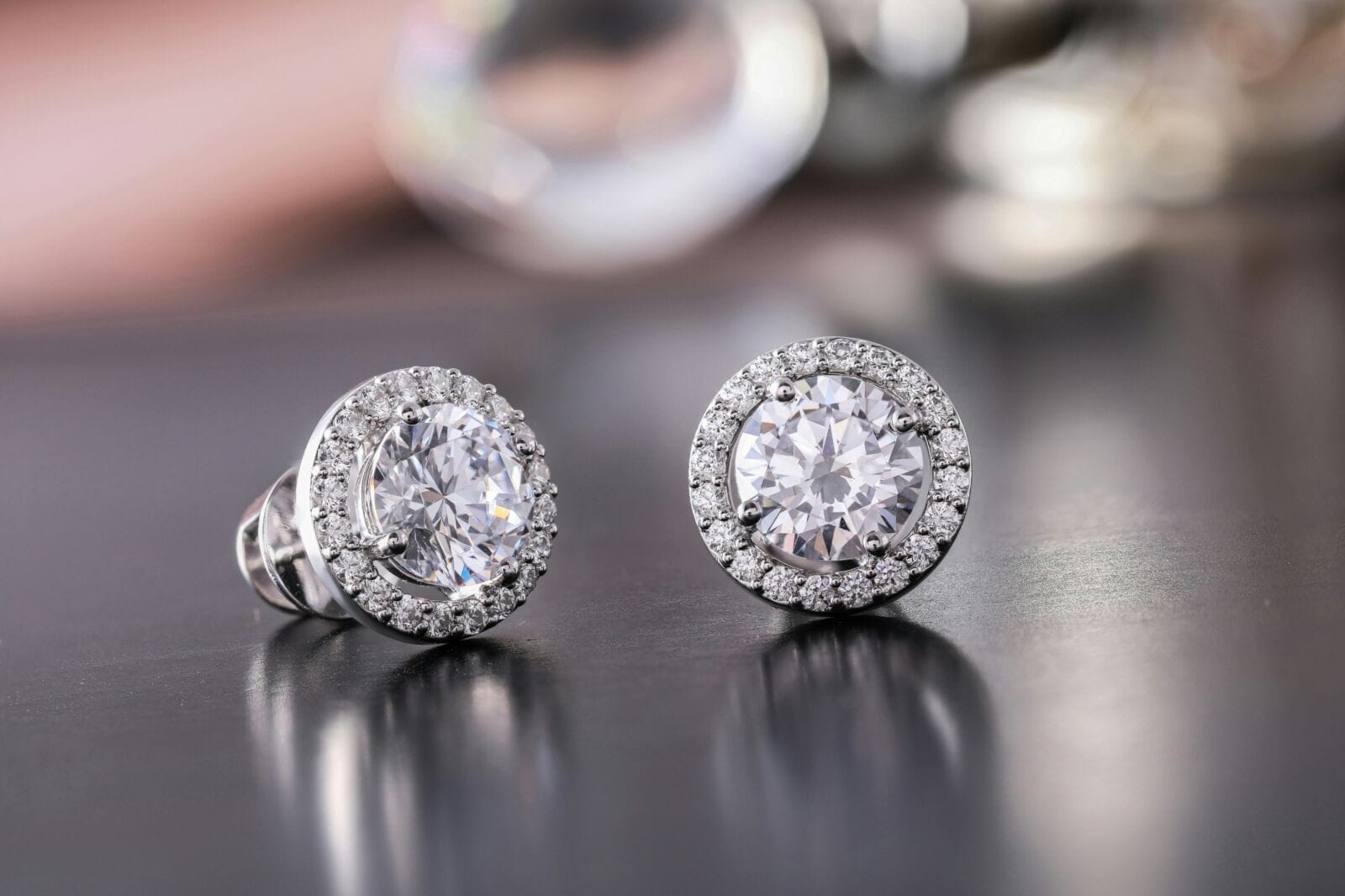
Out of a lab comes a diamond – grown fast under careful settings. These gems match earth-mined ones right down to their inner atomic layout. Grading checks still apply: how it’s cut, its hue, clearness, and size count too. For anyone looking to buy, what stands out most? Often just cost and where it came from. Most people pick these simply because their money stretches further. Take one person’s spending limit – it might cover only a tiny natural diamond, yet grab a much bigger lab made stone without flaws.
Buyers Look at Platinum and Gold Together
Most folks comparing platinum to gold tend to be focused on four main concerns. One reason shows up again and again when prices shift unexpectedly. Sometimes it’s about how each metal feels when worn every day. Another point comes into play when someone wants something rare but doesn’t want extra upkeep. Each of these thoughts shapes what they finally choose
- What’s the total price for the whole ring?
- How long does each metal stay strong when worn every day
- Which color looks best with the diamond
- Later on, what kind of upkeep might come up
Most people notice the main gem first, yet the band shapes your daily experience. Touch comes into play each morning when you put it on. Cleaning becomes a routine task after washing hands. Damage might happen, so fixes follow when needed. How it changes appearance shows slowly through months of wear.
Platinum Strong Dense Metal
Pure platinum carries a heavy feel, yet stays bright without extra coatings. Its natural color draws attention, minus the need for surface fixes. Weight matters to those who notice how jewelry sits on skin. Often chosen when durability pairs with quiet elegance man made diamonds
- Daily wear engagement rings
- People with sensitive skin
- Minimalist white metal designs
- Secure settings for larger stones
Most folks don’t realize – platinum isn’t immune to scratches. Instead of vanishing, the material tends to move, piling up slightly at the edges. With passing years, a mellow sheen forms, something a few wearers actually prefer. Weight plays a role too; its density often makes it pricier than gold options.
gold is bendable and common
Most folks pick gold – opens up plenty of look choices. Pick from yellow, white, or rose shades instead. Feels lighter when worn compared to platinum usually. Top reasons people go for it:
- Classic yellow ring styles
- Vintage inspired designs
- Lower budgets than platinum
- Those who prefer lighter jewelry
Here’s something useful. Real gold bends easily, which is why rings and necklaces mix it with stronger metals like those labeled 14k or 18k. Over months, white gold loses its sharp look – dullness creeps in until a fresh coat of rhodium brings back the shine.
Which Metal Offers More Value
Most folks think cheap price equals good value. Yet that shiny savings might fade fast over time. Strong claws holding tight matter more when years pass by. Some prefer warm glows against skin rather than cold bright surfaces. A different mix appears once fake stones enter the picture. Choice shifts if lasting look weighs heavier than first cost.
metal color affects stone appearance
Surprisingly, the band’s material shifts the way light plays off the center stone. Platinum or similar pale alloys tend to sharpen the clarity of icy diamonds. Instead of cooling things down, golden tones bring cozy depth and strong contrast. A lot favor this timeless combo, particularly when paired with old-world designs. Sometimes pinkish hues mellow the overall effect, leaning either intimate or current based on shape and cut. A small shift in setting changes how light moves through it. White metal gives a crisp, almost icy look. Yellow tones wrap around the sparkle, softening its voice. Platinum keeps things precise. Gold leans into history, quietly. Each choice alters the mood without changing the cut.
Daily Wear Questions Worth Considering
Truth first – ask yourself these before spending a dime.
- Do you work with your hands often
- Do you want low maintenance
- Heavier might feel more solid on your finger. Lighter could slip easier during daily wear. Some find balance matters most when choosing. Others care less about weight, more how it fits their hand
- White, yellow, or pink – what shade of metal catches your eye? Metal tones come in different hues. Some prefer one color. Others shift between them. Each tone holds its own presence. Choice depends on mood, moment, lighting. A glance can change preference
- Later on, are you thinking about upgrading?
What you say counts a lot more than what’s popular right now.
Buy Well Spend Less
Most people spend too much on big stones while skipping better cuts or settings. This choice usually brings regret later. Try following this sequence instead:
- Start by choosing how much you will spend altogether
- Pick the metal you like best
- Prioritize diamond cut quality
- Choose your size once you’ve checked the quality
- Choose a secure setting
When money feels short, lab stones let people keep the sparkle without chasing low prices. A smarter pick might mean less strain on savings while still looking rich.
Things to Look at Before Buying
Start by requesting written details along with exact requirements. Here’s what you need to understand:
- Diamond grading report
- Pureness of metal, like what you see in 14k, sometimes 18k, or the kind found in platinum. Each level shows how much real metal is inside, nothing added just clarity on content strength
- Ring weight if comparing metals
- Return period
- Warranty or repair terms
Walk away when replies lack clarity.
First Time Buyers Common Mistakes
Most folks pick white gold, yet stay unaware it might need fresh plating down the road. Some go straight for platinum but skip testing how heavy it feels on hand. Others spend extra cash sizing a ring, though they never check how well the stone was cut. It’s common to think identical carat weights mean identical shine. Reality shows otherwise. The way a diamond is cut shapes its fire far beyond what eyes anticipate.
Who Chooses What
Picking platinum makes sense when toughness, a silvery shade, or lasting wear rank high. Go with gold should looks that change easily, initial price tags, or something less heavy matter more. Lab created stones fit those drawn to bigger sizes or better traits per dollar – so long as synthetic roots do not bother them. Natural diamonds suit anyone for whom earth sourced uniqueness stands above all else.
Final Look Before Choosing
Hold a ring in your palm when you can. Pictures lie more than most think. How it feels, how heavy, how wide – these show up only when held. Move between two exact designs quoted fully: one built in platinum, another in gold. Shift next to center gems within the same price limit. Most times, what stands out as right becomes clear without force.
Questions Buyers Ask
Man made stones hold up just like natural ones over time.
True. These stones stand up well to daily wear if mounted securely and looked after right. A good setting makes all the difference. Care keeps them lasting.
Could platinum actually outshine gold every single time?
Picking one over the other? Platinum wins on strength, stays bright without fading. Gold might surprise you on price, often lower. It also shifts shades – white, rose, yellow – with ease.
Wondering if metal costs should rise above stone? Maybe one outweighs the other. Depends how each shapes what you build. Stone sometimes holds up longer. Metal bends under pressure but lasts when treated right.
Each material answers different needs.
A good place to start? A sharply cut gem paired with a sturdy hold. After that, pick a metal matching how you live and what you spend.