
 Natisha Rouse
 Things to know before buying
Picture this: hunting for a diamond today means wading through piles of possibilities. Natural gems sit beside lab grown sparkles, while moissanite waits quietly nearby. Surface level? They might seem twins. Dig deeper though, and differences show fast. What you actually want isn’t complicated. Looking for a rock that stands out, holds up over time, still matches what you’ve set aside money-wise? Knowing exactly where every dollar goes matters too. That clear picture is right here. Not one exaggerated claim. Only real details ready to help.
Lab Created Stones Explained Simply
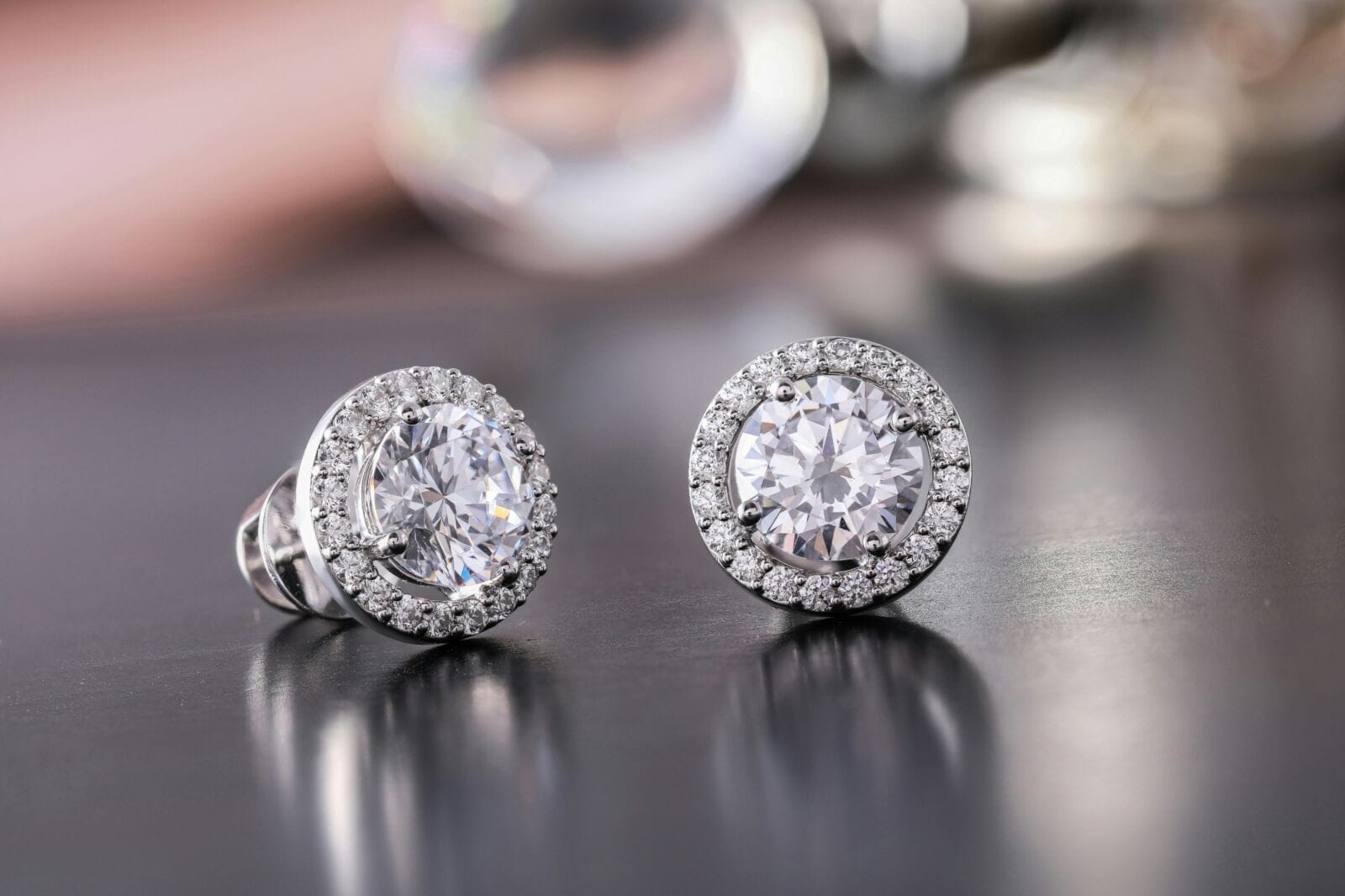
Fake? Not at all – lab diamonds are actual gems. Identical inside, thanks to their carbon lattice setup. Just like mined ones, atom by atom. Location sets them apart. Earth squeezes natural stones slowly, deep down, across ages. Under lab conditions, carbon forms moissanite diamond inside specialized chambers mimicking Earth’s deep pressures. Weeks pass before they reach full growth – no millions of years required. To the naked eye, their shine matches exactly what comes from underground. Only experts using high-end devices can point out which is which. Sparkle matters just as much as durability when choosing a stone, and here both traits stay identical minus excavation. For those who care about origin, this version skips digging while keeping everything else.
How Things Get Made
One way makes things using heat. Another relies on shaping materials slowly.
High Pressure High Temperature
Deep below the surface, nature’s setup gets repeated. Heat builds up sharply on carbon. Pressure joins in heavily. Slowly, a crystal structure begins to form. The result shows itself as a diamond.
Chemical Vapor Deposition
Inside a closed space, a gas full of carbon gets heated up. It splits apart, letting loose tiny carbon pieces that stick onto a little diamond starter. Slowly, one level at a time, the stone builds itself upward. From your view, how it forms isn’t the key point. More important are the finish, how experts rate it, and the shape it’s shaped into.
Why people choose them
Emotion often pulls people toward a purchase, while practical lab made diamonds steer others just as strongly. A third group watches what peers choose before deciding themselves. Each reason shapes decisions differently.
- Price
- Ethical concerns
- Environmental impact
A smaller price tag usually comes with lab created gems compared to natural ones that match in size and grade. That difference means extra room – either keep cash in pocket or step up to a bigger sparkle for the same amount. Take five thousand dollars as an example – it could buy a one carat earth mined diamond. Swap in a lab version, suddenly a one and a half carat gem fits, just as clear, just as bright. Some people care about what lies behind the rock – the ground it came from, the process it took – and prefer skipping old digging methods. What they’re after skips heavy digging altogether. Inside a lab, it’s easier to track each step along the way.
Comparing Them With Other Options
Often people stack moissanite up against real diamonds. These gems aren’t the same thing at all. A moissanite stands on its own as another kind of stone entirely. Brightness jumps out from it – sharp, lively sparkle fills the eye. Starting off, it lasts long – yet chemically, it’s not a diamond. When owning a real diamond matters, lab grown ones fit the bill just fine. For those drawn to bright shine without high cost, moissanite could pull attention instead. Here comes a key point. Is the true name important, or does appearance matter more? That thought guides what feels right later.
Understanding Quality – The 4 Cs
Start by judging these gems just like natural ones. What matters? Cut, color, clarity, carat – same four points hold true here too.
Cut
Light play depends most on how the gem is shaped. When a diamond gets crafted just right, brightness spreads smooth across its face. Even with flawless inside details, bad shaping makes it lifeless.
Color
Starting at zero tint, diamonds shift toward pale yellow or brown tones. Closer they stay to transparent, stronger their rating climbs.
Clarity
What you see inside a gem tells its clarity story through tiny features known as inclusions. These details usually stay hidden without magnification.
Carat
Weight matters, yet how it looks depends on more than numbers. One that’s properly shaped reflects light in ways making it appear bigger. Before buying anything, get documentation from an established testing center. Trust verified details instead of what someone behind a counter claims.
What About Durability
Hardness hits a peak at ten – diamonds claim that spot. Made in labs or pulled from earth, they match exactly here. Think about slipping one on each day, like for marriage promises. Bumping into desks, tools, door frames – it happens often. If the gem lacks toughness, tiny marks start building up. Damage doesn’t bother a diamond much. Wearing your ring daily means it needs to hold up without question.
Resale and Long Term Value
Here’s when thinking clearly matters most. Real diamond sales happen often, so prices hold better. Man-made stones came later – they might sell for less later on. How these gems are built keeps changing, affecting cost down the road. Want it to grow value? Look into details first. Maybe you just want to wear it every day. Think hard on what matters most when choosing. A stone can shine without needing future profit.
Buy Smart
Check everything first. Then take your time looking at each part carefully. After that, think it through slowly. Only move forward when you feel sure.
- Set a clear budget before browsing
- Your choice of shape comes before everything else
- Compare grading reports, not just prices
- Inspect the return policy
- Look into what the warranty covers before you decide. Resizing rules might surprise you, so get clear on those too
Start by picking two ovals if that shape draws your eye. When weights and hues match, the numbers make more sense. Skip mixing rounds into the mix – apples to apples keeps things clear. Price gaps show up best when everything else lines up first.
Common Misunderstandings
Not everyone gets lab diamonds right. These gems aren’t imposters – they’re real in every chemical way. Some assume such stones come out perfect each time. Reality differs. Flaws pop up, shades shift, much like earth-mined ones. What matters is how clear it looks under evaluation, not where it began.
Is This the Right Choice for You
Start by thinking what matters most to you. A gem born under pressure over millions of years might speak to your sense of history, pointing you to mined diamonds. Cost range and newer techniques could pull you in another direction – lab grown stones fit that path well. Shine and spending lead some people straight to moissanite when weighing choices. What you pick ties back to personal beliefs, financial limits, and how far ahead you’re looking.
Frequently Asked Questions
Fake diamonds made in labs – will they pass a tester as genuine?
Sure thing. These sparkle rocks face the heat just like mined ones when it comes to detection tools.
Fine. These respond just like natural diamonds when tested, due to identical traits in heat and hardness.
Could these work as an engagement ring? Maybe. Depends on what feels right for you.
Exactly. Their toughness matches real diamonds, so they handle everyday use just fine.
What makes them cost less?
Fewer steps mean less digging, fewer trucks moving parts around. When factories manage output tightly, prices usually drop.